Australia’s Uluru, formerly Ayers Rock, is a well-known natural landmark with a rich history in the heart of the country’s outback.
Travel to Uluru
Uluru is in the Uluru-Kata Tjuta National Park in southwest Northern Territory, Australia. It is approximately a 5-hour drive from Alice Springs or a half-hour from the town of Yulara. Flights are available from major Australian cities to Uluru Airport, avoiding the lengthy journey from Alice Springs.
Please get to know our 3 day Uluru tour and embark on an unforgettable journey through this region. Undoubtedly, Uluru is one of the most iconic places in the world and a must-see during your visit to Australia.
Experience Uluru-Kata Tjuta
The monolith’s enormous size and cultural significance to local Indigenous people have made it an iconic landmark in Australia; its importance cannot be underestimated.
Despite its remote location, this destination attracts visitors worldwide to marvel at the rock above the flat, arid landscape surrounding it.
Over 250,000 visitors annually travel to the remote Uluru-Kata Tjuta National Park, far from any significant town and nearly 1000km from Darwin, the capital of the Northern Territory. The park’s untouched environment and natural beauty make it a unique and captivating destination despite its distance.
A visit to Uluru is a must when travelling to Australia, offering a chance to witness the grandeur of this monolith and enjoy the breathtaking horizon views.
What is the formation process of Uluru?
Uluru is renowned for its large size and vibrant red colour, with differing explanations for its formation, including Indigenous beliefs and geological theories.
The Significance of Uluru
Uluru is a UNESCO world heritage site with cultural significance dating back 30,000 years to the Anangu people. According to Anangu Tjukurpa, Uluru is a living being and the resting place of ancestral beings. Tjukurpa stories guide finding food and water, navigating the land, and teaching social behaviours and cultural customs. These stories also explain the creation of the universe and humans’ place within it. Tjukurpa is passed down orally within the community and serves as a moral compass and justice system for Anangu’s life.
Stories of Uluru’s beginning
Australia’s Indigenous people, known as the Aboriginal peoples, have the oldest continuous culture on Earth. Before European settlement, there were many different Aboriginal languages, tribal groups, and nations across the country. In the Uluru area, the Indigenous people are known as the Anangu and pass down their culture through the Tjukurpa. It is a misconception by non-Indigenous people to refer to these stories as the ‘Dreamtime’ or ‘Dreaming’, as it may suggest these beliefs are not fundamental. The Anangu believe in their Tjukurpa as true stories, similar to how Christians believe in the Bible.
The creation story of Uluru is sacred to the Anangu people. They believe their ancestors formed the rock as they moved across the land, leaving their marks. Uluru is seen as a living entity that houses spirits. To learn more about the creation stories of Uluru, visit the Uluru-Kata Tjuta Cultural Centre.
According to Anangu lore, climbing or damaging Uluru is prohibited, and certain areas around its base are designated for specific cultural purposes. The Anangu believe it is their responsibility to protect the rock and any visitors to their land, as harming either will result in punishment by their ancestral beings.
The geologist Uluru
Uluru is believed to be around 500 million years old, similar in age to the Australian continent. It formed underwater from two fans, one made of sand and the other of conglomerate rock. These fans condensed into rock through tectonic plate movements and seawater pressure. As Australia dried up and became a desert, Uluru was exposed. The red rock comes from iron minerals rusting when exposed to air. Scientists think the inside of the rock would not be red as the iron has not been in contact with oxygen.
Uluru’s Features
Uluru’s Southern Side
The southern side of Uluru showcases sharp gorges with significant dips caused by erosion. Continuous rainfall fills up shallow holes over centuries, slowly cutting away at the rock to create its unique appearance.
The North-West Side of Uluru
Erosion has shaped Uluru’s northwest side, forming parallel ridges that showcase the sedimentary layers of rock. Both wind and rainfall have contributed to the creation of these parallel ridges.
The Smooth Rock Surface
The smoothed section of Uluru was created by human activity despite objections from the Anangu people. Climbing Uluru was allowed from the 1930s until it officially closed and made illegal in 2019. The rock’s surface has been smoothed by everyone walking on it. The climb has been formally closed, which will prevent further erosion, although the damage that has already occurred cannot be reversed.
Uluru’s Flaky Surface
The rock of Uluru exhibits a flaky orange exterior due to chemical decay in the minerals found in the Arkose rock. Usually, grey, the colouration of the iron mineral, causes the rock to turn a rust-red colour.
Activities and attractions in Uluru
Explore the Uluru-Kata Tjuta Cultural Centre.
The Uluru-Kata Tjuta Cultural Centre is a recommended starting point for visitors to the National Park, where you can learn about Anangu culture, traditions, and stories. The Centre features local art galleries and offers opportunities to support the community by purchasing artwork and jewellery.
Visitors will learn about appropriate behaviour in the park at the Centre. It is the only place in the park to purchase food and drinks. You can grab a morning coffee after watching the sun rise over Uluru or enjoy a delicious house-made lunch. The Centre also has a retail store where you can buy a souvenir to take home. All funds made at the Centre support Aboriginal artists and families in the community.
View the rock at sunrise or sunset
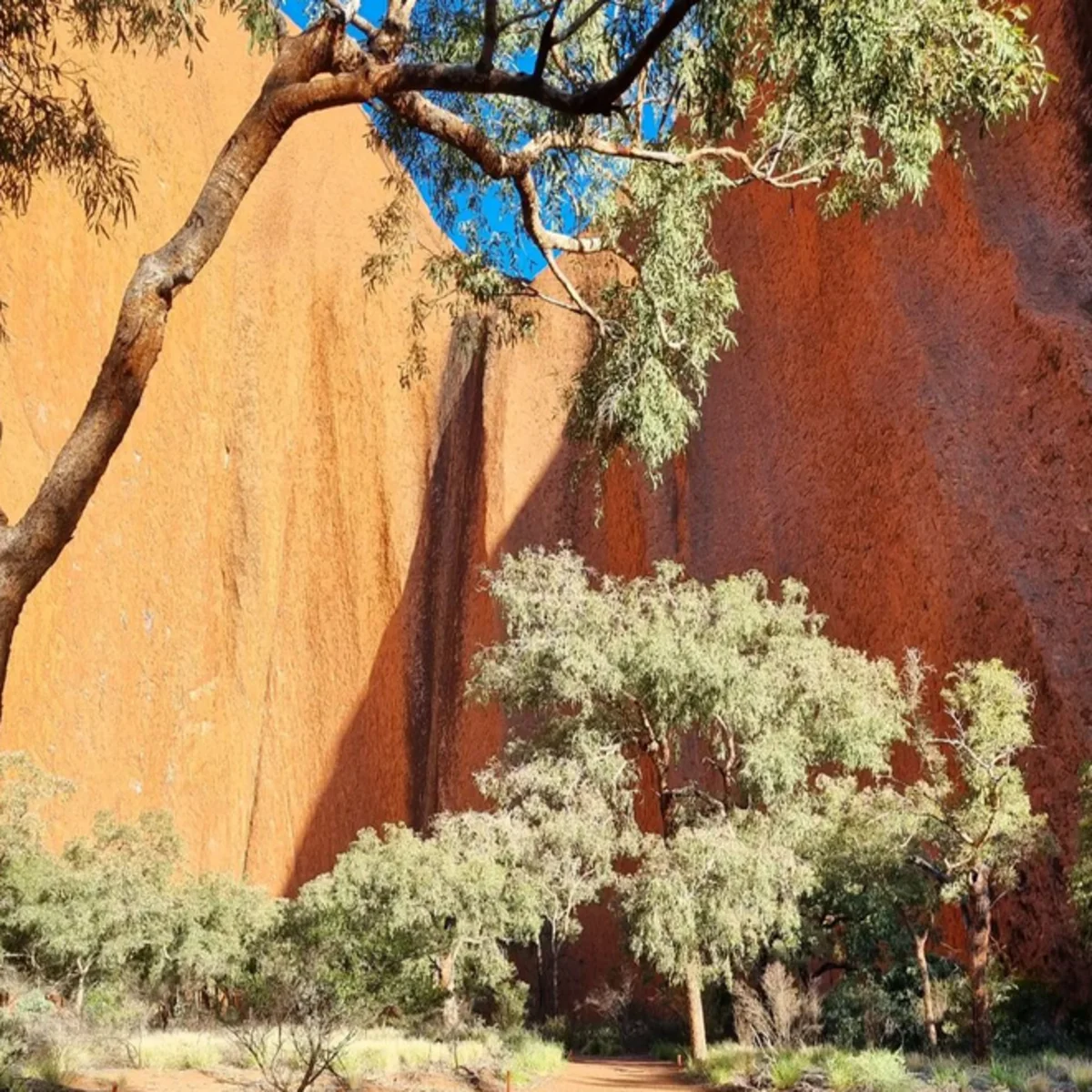
Uluru is best seen during sunrise or sunset for a memorable experience. The sun’s red light illuminated the rock, creating a breathtaking sight that highlights your trip to Australia.
Uluru is known for its iconic rusting orange appearance. The rock changes colours when the sunlight hits it. During sunrise, it turns a bright, burning red. At sunset, it shifts to a deep orange, and sometimes it even looks purple.
Visiting at sunset? Book dinner with a view and enjoy the natural light show with a glass of wine. There are plenty of viewing areas to enjoy. Watching the sunrise is a perfect start to a day of park walks. Getting out early helps beat the heat and avoid crowds.
See Uluru from Above
For a unique and fantastic experience, consider taking a helicopter flight to see Uluru from above. The clear sky offers a spectacular view of the brilliant red rock. It’s a great way to appreciate the vastness of the Australian outback, as you can see the desert land stretching out for miles. If you’re feeling adventurous, book a skydive past Uluru. Combine a scenic flight and an adrenaline rush by jumping from 12,000ft and soaring past the iconic monolith.
VisitKata Tjuta
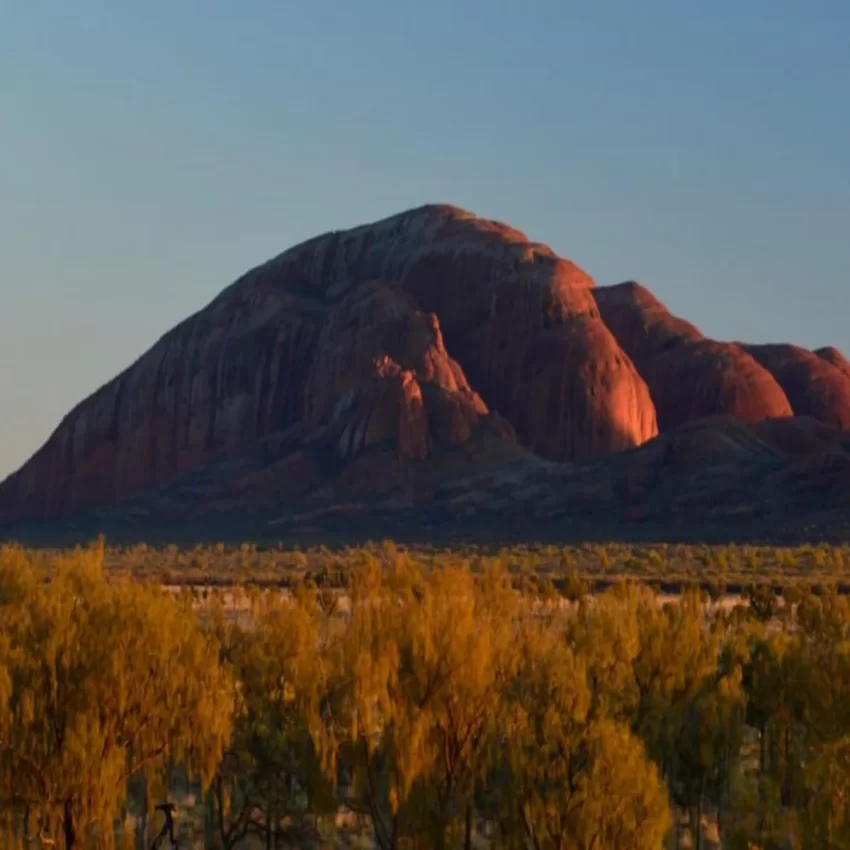
Katja Tjuta, formerly the Olgas, is a series of rounded domes west of Uluru. Visitors can explore walking trails around these formations and witness their changing colours during sunrise and sunset.
Camp Nearby
For a different outback experience, consider taking a multi-day camping trip to explore the nearby wonders and wildlife of the area. Camp under the stars and wake up each day ready for new adventures.
Consider exploring the outback on a multi-day camping trip for a more immersive experience rather than just observing it from a bus window.
Visitors can explore the local wildlife and unique ecosystem, camping under the stars and waking up to the sight of Uluru as it gradually becomes more visible throughout the day.