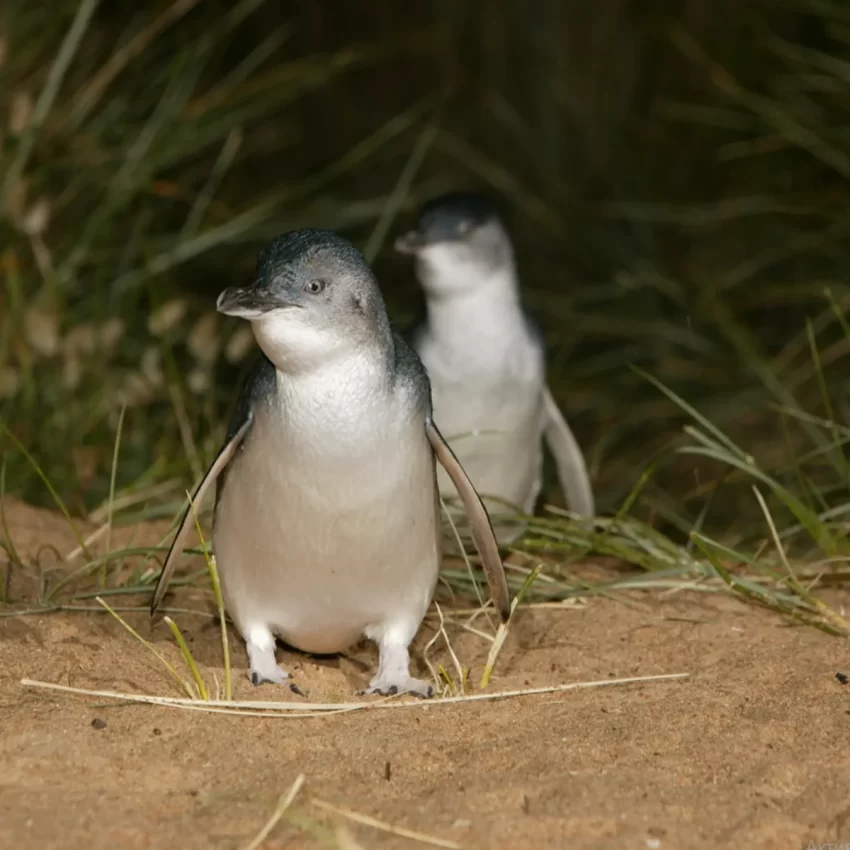
Phillip Island, located near Melbourne, is well-known for its penguin colony and holds significant Indigenous cultural and historical value.
Exploring Indigenous culture on Phillip Island
Exploring Phillip Island on Phillip Island tours from Melbourne provides an opportunity to appreciate the wildlife and nature of the area, as well as understand its historical significance before European settlement.
Evidence of the First Nations’ presence on the Island is minimal today. Still, the Yalluk Bulluk clan would visit the Island in the summer months, arriving by canoe to feast on the marine and land animals in the area.
The history of Phillip Island
Phillip Island has been the traditional land of the Yallok Bulluk mob of the Bunurong/Boonwurrung clan, part of the Kulin nation, for countless generations before the first European explorers set foot here. The Bunurong/Boonwurrung folk referred to this place as “Millowl”. During the warmer months, the Yallok Bulluk would come to Millowl to feast on shellfish, fish, tiny marsupials, and mutton birds (short-tailed shearwaters). Millowl and Churchill Island were known spots for ochre, which were used for body art during significant ceremonies.
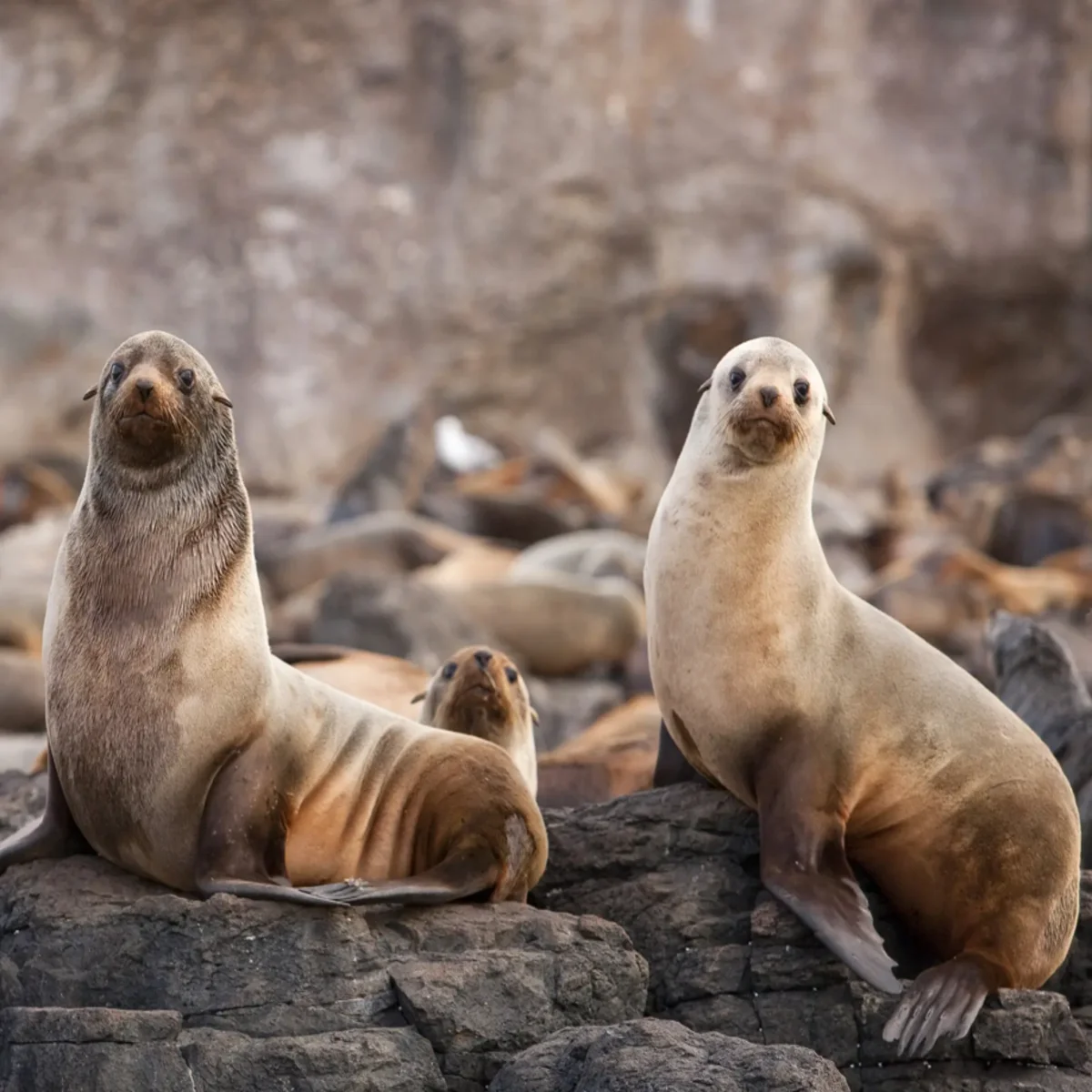
The Island, blessed with abundant wildlife and stunning bays, caught the eye of European settlers and sparked a booming fur seal industry in the early 19th century. George Bass was the pioneering European to chart Western Port on January 5, 1798, after navigating south from Port Jackson in a modest 28ft whaleboat. He dubbed it Western Port as it lay westward of Port Jackson. Sealers quickly exploited the area, targeting the seals around the Bass Strait islands and Seal Rocks by the Nobbies.
In 1842, the McHaffie brothers secured a lease for the entirety of Phillip Island, where they ran sheep. They retained just 640 acres near the homestead when the Island was divvied up for closer settlement in the late 1860s, a period marked by extreme challenges for settlers, including drought, crop failures, and water scarcity.
Chicory emerged as one of the Island’s initial crops, thriving thanks to the absence of frost – a vital condition for its growth. Cultivated for over a century, the distinct chicory kilns with their pyramid roofs have become symbolic of Phillip Island. With the Koo Wee Rup swamp hindering land transport, the sea was the main route for moving all goods and produce. Captain John Lock, who owned a few trading ketches based at Rhyll, handled much of these shipments.
The tourism sector kicked off following the Island’s subdivision, with the Isle of Wight Hotel opening its doors in 1870, closely followed by the Phillip Island Hotel. The introduction of a regular ferry service in 1878 made the Island more accessible to tourists. The small paddle steamer Eclipse started its journey from Hastings to San Remo, stopping at Cowes, Rhyll, and Newhaven.
The guest house era took off in the 1880s and peaked between the 1920s and 1950s. During this period, visitors could rent horse-drawn carriages to explore the scenic ocean beaches or the quaint village of Rhyll and enjoy strawberries at the Strawberry Farm.
Evening tourists initially flocked to the Island’s southern side not for the penguins but to witness thousands of mutton birds returning to their cliff-top burrows. However, by the 1920s, watching the penguins’ nightly return at Summerland Beach had become a more popular attraction.
The Island’s first car ferry, the former Sydney ferry Killara, commenced operations in 1933, and the initial bridge was inaugurated in 1940, significantly boosting tourist numbers. Motor racing involving cars and bikes began in 1928 on the Island’s dirt roads. The Australian Grand Prix for cars was hosted here for several years until 1938 when the dust from the unsealed roads led to the relocation of significant races. 1952, the Phillip Island Auto Racing Club established a new circuit on private land along the south coast. After a period of decline in the 60s, Len Lukey revived the circuit. Extensive renovations to the track and facilities were undertaken to host the 1989 motorbike GP, and it has been in continuous operation ever since.
The current bridge opened in 1969, facilitated further development as the old bridge had severe load restrictions. Tourists on large buses and trucks over 6 tons had to navigate the bridge on foot.
Exploring the rich history of Phillip Island can be a breeze with these self-guided walks.